
In 1975, Bollywood released 80 films, yet only a fraction—roughly 15 to 30—truly captured the prevalent hopes, anxieties, and complexities of a society in flux. Despite this, it’s widely regarded as a pivotal year, a richly layered period of transformation for Indian cinema. But how could a single year so profoundly reflect India’s shifting socio-political and emotional landscape? Did the iconic ‘angry young man’ archetype truly embody the post-Emergency disillusionment, and did these cinematic tales effectively portray the harsh realities of life?
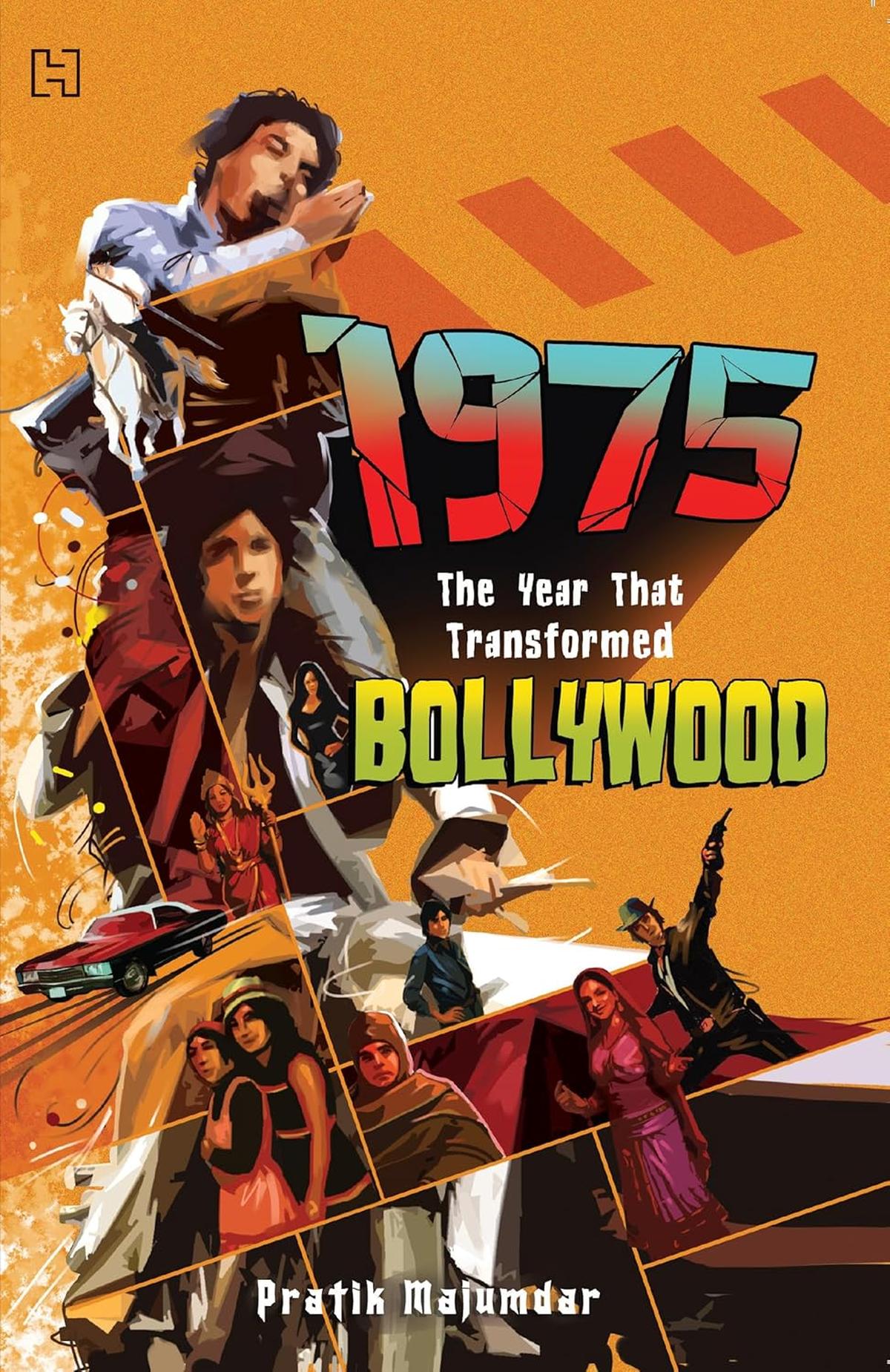
Pratik Majumdar’s insightful book.
Pratik Majumdar’s book, 1975: The Year That Transformed Bollywood, published by Hachette, offers an insightful journey for film enthusiasts, historians, and anyone keen to understand the intricate link between art, society, and cultural evolution. This era coincided with a dark chapter in India’s democratic history—the Emergency—which significantly impacted every facet of society, including cinema. The book not only reaffirms the critical importance of this tumultuous year but also encourages readers to delve deeper into the cinema that forged a lasting legacy. For the film industry, 1975 proved to be an unexpected catalyst for creativity.
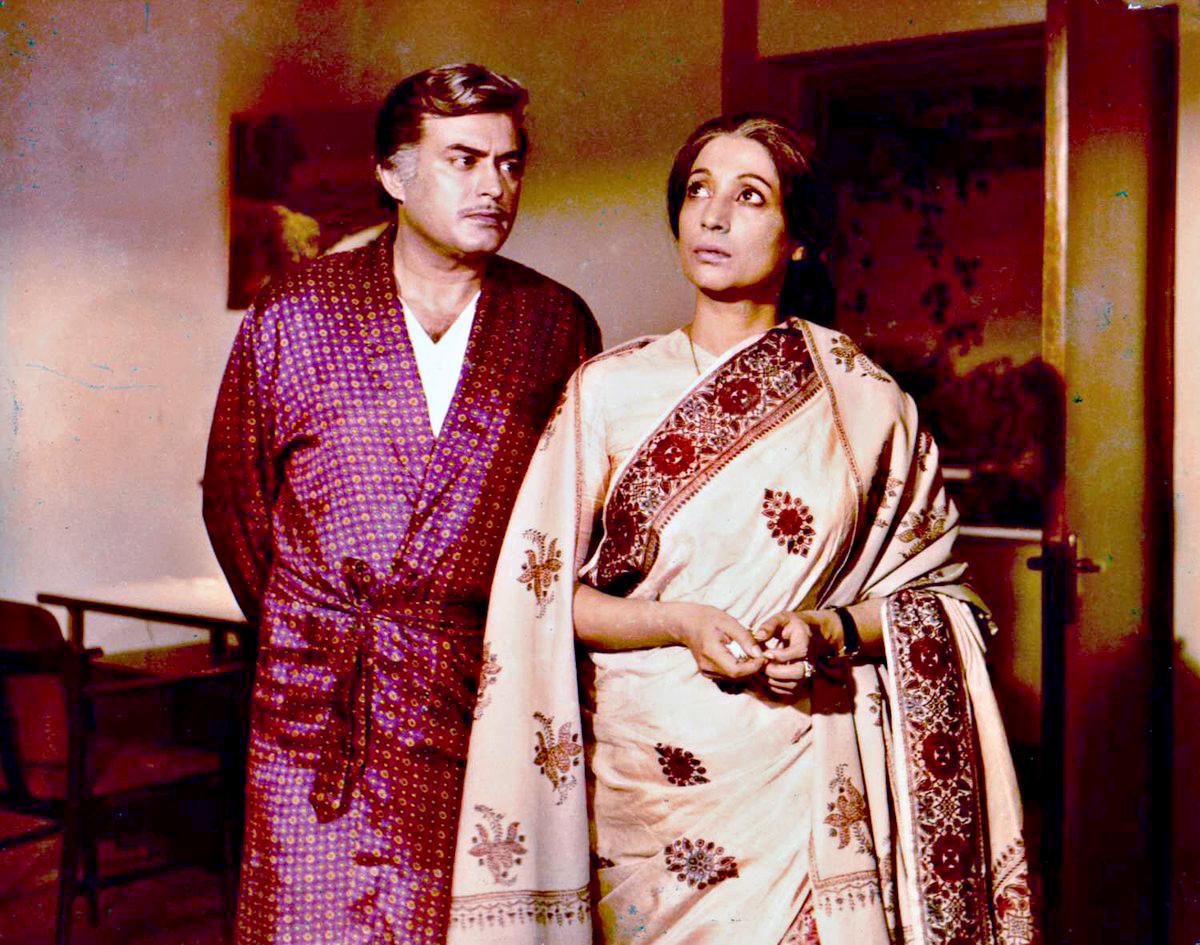
A scene from Aandhi, a film controversially banned during the Emergency due to its perceived parallels with former Prime Minister Indira Gandhi’s life.
As a passionate cinephile and music enthusiast, Majumdar argues that 1975 was a genuine turning point, reflecting the diverse complexities and soaring hopes of an entire generation. He transports readers back to a time when Bollywood was audacious, visually stunning, and overflowing with unforgettable narratives. The book meticulously examines 30 selected films, highlighting their unique storytelling strengths and directorial approaches. From groundbreaking blockbusters to subtly crafted dramas, filmmakers demonstrated incredible creative prowess, leaving an indelible mark. 1975: The Year That Transformed Bollywood serves as a gateway to an era where every line of dialogue resonated through time, and each frame was infused with musical passion.
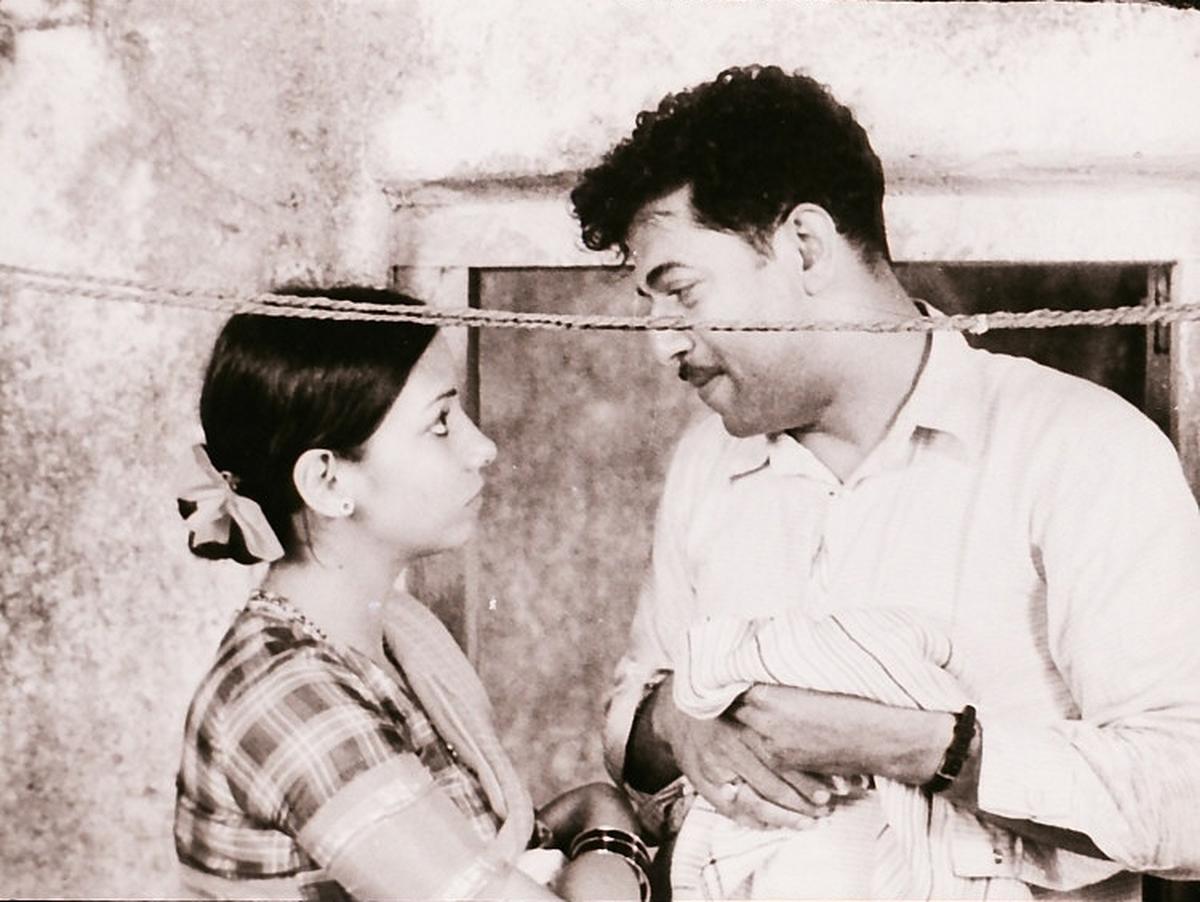
A powerful moment from Shyam Benegal’s Nishant, exemplifying 1975 as a landmark year for parallel cinema.
Indeed, 1975 was characterized by rich narratives, bold screenplays, and remarkable artistry. A stellar lineup including Sholay, Deewaar, Chupke Chupke, Julie, Aandhi, and Nishant firmly establishes it as a landmark year through its innovative storytelling, genre-bending, and impactful marketing. This period fostered a truly diverse cinematic landscape, achieving a harmonious balance between commercial blockbusters and critical artistic successes. What truly distinguishes Majumdar’s book is its dedication to exploring the often-overlooked yet crucial realm of parallel cinema, featuring films like Nishant, Aandhi, and Mausam. Through his scholarly insights, the author reveals the industry’s courage in confronting uncomfortable realities—be it political disillusionment, patriarchal oppression, or deep emotional vulnerabilities.
Even five decades later, many stories from that remarkable year continue to resonate. 1975 will forever be celebrated for its iconic films, immense variety, and spirit of experimentation. In terms of sheer creative output and diversity, it not only revitalized storytelling but also fostered a space for filmmakers to innovate, catering to the evolving tastes of a dynamic audience. Perhaps the greatest legacy of 1975 is how it forged a deeper connection between leading actors and their devoted audiences.